

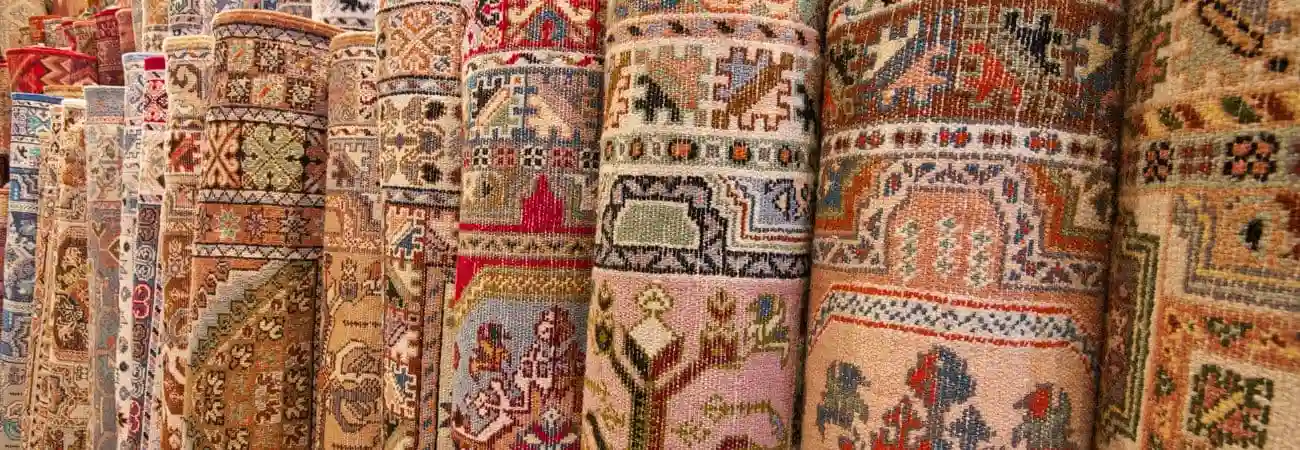
We spend significant time perfecting every corner of our homes, from walls & furniture to lighting. But the floor remains the same — simple and boring. When it comes to complement floor, there is nothing that can add warmth, elegance & a relaxed feeling than authentic, handknotted rugs. However, finding genuine handmade carpets is not as simple as it sounds, especially for a first-time customer.
If you don’t have a carpet but are considering investing in one to decorate your space, then you may be wondering with so many questions:
- How do I know a rug is truly handmade?
- Why do handknotted rugs cost more than machine-made ones?
- What makes a carpet exclusive?
Well, you can easily purchase an authentic, durable & worthwhile carpet if you determine the factors that make it exclusive. This is a practical, beginner-friendly guide that helps first-time carpet buyers understand handmade carpets thoroughly, helping them invest in the right rug confidently.
How to Tell if Your Rug is Truly Handmade
Handmade rugs are adored for their distinct craftsmanship. For first time customers, identifying disparities between handmade carpets and machine-made rugs is tough & challenging. It is obvious that machine made rugs are made by a machine. Conversely, handknotted rugs are crafted by proficient artisans who tie each knot onto a loom.
Keep these points in mind when exploring rugs:
- Check the Back
Flip the handmade rug over and observe its backside. When you look closely, the pattern of various knots will appear mirrored but in uneven forms without perfect symmetry. Conversely, the one made by a machine shows a uniform, straight stitching.
- Examine the Fringes
The fringes of handwoven carpets naturally extend vertically with warp threads from the edge, while machine-made rugs’ fringes are stitched on their edges or glued.
- Look for Imperfections
Since oriental rugs are woven by hand, you find imperfections in the structure — like a slight thickness of thread and uneven knots, whereas machine-made rugs reflect symmetric structures.
The KPSI Factor: How to Measure Rug Quality
When exploring handmade Indian rugs to invest in, evaluate the quality of the rug. It helps you understand the value of carpets and the time, dedication, and attention to detail infused in their making. KPSI (Knots Per Square Inch) helps determine the quality of rugs and their worth.
- KPSI Explained
KPSI indicates the design intricacy and durability. The higher KPSI creates tiny knots, allowing artisans to create detailed patterns. When you are exploring a carpet with a higher KPSI, it means the rug is intricately crafted with unique motifs and patterns infused with fine detailing, precision, and time.
- General KPSI Ranges
The normal KPSI ranges you see in carpets.
- Standard Weave: 100–200 KPSI
- Detailed Density: 300–500 KPSI
- Masterwork: 600–1200+ KPSI
- User Tips
KPSI is one of the crucial factors that influence the pricing. If you are stuck with two options, then ask for KPSI. It will help you understand the price structure and the difference.
Woven from the Earth: A Material Guide for First Time Consumers
Hand-wrought carpets are an exclusive decor due to their fine natural fibers. This not only makes them visually appealing but also helps maintain their beauty in longevity. And these are perfect examples of timeless elegance & enduring luxury.
- Pure Wool (Most Popular)
Wool offers a warm & soft feel under feet. Wool material is a great option for high-traffic areas. It is durable & natural stain resistance.
- Pure Silk (Ultra Luxury)
Shine your living room with elegant decor by buying Kashmir silk carpets. With its softness & finest quality, you can also use it as a wall display.
- Wool+Silk Blends
There are many carpets that come with a wool and silk combination. It brings warm, soft & relaxing feelings, making the environment really inviting.
All the materials used for handmade carpets are sourced naturally, such as silk & wool. With their biological capabilities, they make carpets look beautiful & durable. Whether you need a rug made of a specific material or a mix of materials, the choice depends on how you want to transform your surroundings.
The Secret Ingredients: Dyes and Yarns that Define Luxury
Handknotted rugs are highly valued for their natural dyes & cherished for their complex handspun yarn, making them exclusive. The dyes bring their beauty alive while handspun adds collective value to them.
- Handspun vs Mill-Spun
A handspun technique for waving the yarn creates a unique, uneven texture that allows dyes to absorb easily and provide an authentic feel. On the other hand, mill-spun yarn can not imitate this.
- Natural Dyes
Handmade carpets contain dyes derived from plants. These colors do not fade in a uniform manner. Instead, with time, these age gracefully and make the rugs more exclusive.
A Rug as a Heirloom Investment: Holding Value for Generations
For first time buyers, purchasing a rug is not just about having a premium floor decor, but the grace it brings, adds charm to space, and a reflection of cultural heritage makes it a valuable item to invest in.
- Time Investment
Handknotted rugs are knitted by experienced craftsmen using traditional methods. It is an intricate process that requires precision & attention to detail in its creation. This is why a handwoven rug takes from months to years to finalize.
- Value Proposition
Proficient artisans use natural materials to create handmade rugs. They can make vintage carpets or ones with a blend of cultural motifs, traditional textures & contemporary styles to suit modern consumers. These carpets are durable and can be preserved from generation to generation, and become antique rugs over a century.
The Beginner’s Toolkit: Spotting a Genuine Masterpiece
Now you are aware of the worth a handcrafted rug holds. And the value it brings to your space. So, visit a trusted carpet store like Jansons Carpets that offers a diverse range of carpets — including Kashmir silk rugs, Persian rugs, Kilim carpets, Wool rugs, and many others. When exploring carpets to invest in, check these signs to identify an authentic one.
- Flip the carpet and check back for clear, slightly irregular knot visibility.
- Look at the fringes. Ensure they are not sewn. Instead, warp threads extend vertically.
- Check the KPSI. A higher KPSI reflects more detailed and sophisticated carpets.
- Verify the dye source with the supplier whether it is natural or synthetic.
- Request certifications of authenticity/region
Conclusion: A Timeless Addition to Your Home’s Story
Investing in a high-priced carpet does not make it exclusive — the unique craftsmanship it shows, the value it provides, & the cultural depth it adds to your space make it unique. A handknotted rug is one of the most valuable decorative pieces that transforms your simple space into a fascinating environment.
As a beginner, you are now aware of craftsmanship of handmade carpets and can confidently make your first purchase. Confused about where to discover authentic carpets? Visit Jansons Carpets shop in Delhi or the website. We have been a reputed supplier in the industry for decades and help you find the genuine one that suits your space needs and style.
FAQs
Q1. How can I quickly tell if a rug is handknotted?
To determine whether the rug is handmade, follow the quick checklist:
- Check the backside of carpets. Uneven surface with irregular knots is the hallmark of handwoven rugs.
- Extended fringes with warp threads mean it is crafted by hand.
- Knot density and pattern structure are slightly imperfect, which only a craftsman can replicate, not a machine.
Q2. What rug material is best for beginners wanting luxury?
If you are first time buyer, then you should look for a durable, comfortable, and stain-resistant rug with materials choices like:
- Silk
- Bamboo Silk/Viscose
- High-Quality Synthetics
Q3. Why do handknotted rugs cost more?
Handknotted rugs cost more due to the following reasons:
- Intensive Labor & Skill
- Time-Consuming Process
- High Knot Count (KPSI)
- Premium Materials
- Durability & Longevity
- Artistic Uniqueness
Q4. What is knot density and why does it matter?
Knot density measure in KPSI (Knots Per Square Inch). It indicates the detailing and intricacy of rugs. Higher knots mean more detailed carpets, which took more time to come into view. It helps you understand the value of rugs.
The measurement formula for KPSI is:
Vertical Knots x Horizontal Knots = KPSI
Q5. Are natural dyes better than synthetic dyes?
Yes! Natural dyes are better because they are more durable, environmentally & health friendly. And they become more aesthetic over time.
Q6. Can fine handmade rugs increase in value?
Yes! Fine handmade carpets increase in value. The factors that influence its value:
- Age & Rarity
- Craftmanship
- Materials
- Condition
- Cultural Significance
- Demand
Q7. What size rug should beginners start with?
Beginner buyers should look for common, versatile rug sizes:
- For small spaces – 6×9 ft.
- Mediem living room – 8×10 ft. or 10×12 ft.
- Large living room – 12×15 ft.
- Entryways/Halls – 2×3 ft. or 3×5 ft.
Q8. How do I maintain a handknotted rug?
To maintain your handmade rug, follow these tips:
- Gently clean carpets.
- Rotate in a few months to avoid friction
- Don’t use harsh chemicals
- Keep it away from direct sunlight
- Take a professional cleaning service periodically